Radon gas is a silent threat that many homeowners in Colorado face. This naturally occurring radioactive gas can seep into homes from the soil, accumulating to dangerous levels that increase the risk of lung cancer. While basements often get the most attention for radon mitigation, crawl spaces can be an equally significant entry point — and one of the most overlooked.
One of the most effective strategies for reducing radon entry from beneath a home is crawl space encapsulation. In Colorado’s high-radon environment, this method can dramatically lower radon levels while also improving overall air quality and home efficiency. Colorado Radon Mitigation LLC has seen first-hand how this approach can transform both safety and comfort in local homes.
This guide explains the connection between crawl spaces and radon, the steps involved in encapsulation, and how it works alongside other mitigation methods.
The Link Between Crawl Spaces and Radon in Colorado
Colorado’s geology is rich in uranium, which decays into radon gas. Homes built over soil with high uranium content are at higher risk for elevated radon levels. Crawl spaces, with their exposed soil or gravel floors, create a direct pathway for radon to enter the home.
Without a barrier or ventilation system, radon gas can move from the crawl space into the living areas through:
- Gaps around plumbing or wiring
- Floor joist openings
- Cracks in foundation walls
If your home has a crawl space and hasn’t been tested, radon testing Colorado is a critical first step.
What Is Crawl Space Encapsulation?
Crawl space encapsulation is the process of sealing the area beneath your home with a heavy-duty vapor barrier and other materials to create a protective envelope. This prevents soil gases, including radon, from entering crawl space air and migrating into the home.
The process often includes:
- Installing a thick polyethylene liner across the floor and walls
- Sealing seams and edges with durable tape or adhesive
- Closing off vents and gaps
- Adding insulation and moisture control systems
How Encapsulation Reduces Radon
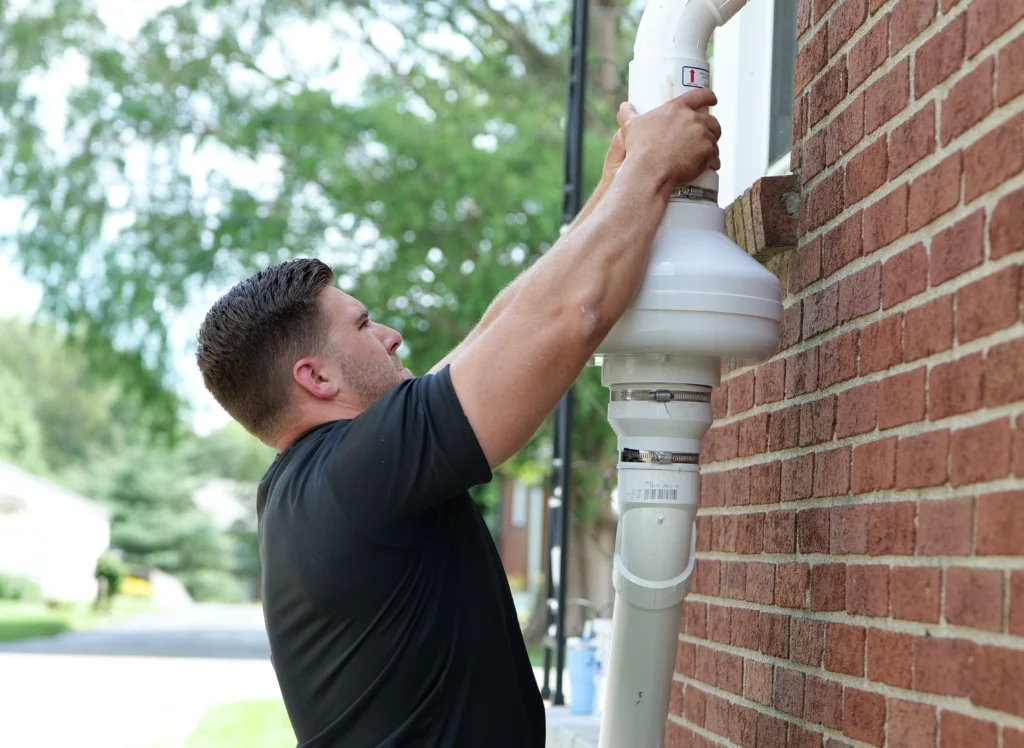
Encapsulation alone can reduce radon by blocking its most direct entry points. However, in many cases, it’s paired with sub-membrane suction — a mitigation technique where a vent pipe and fan system draw radon from under the vapor barrier and vent it safely outside.
This combined approach:
- Prevents radon gas from reaching indoor air
- Maintains lower pressure beneath the barrier to keep gas moving outward
- Also addresses basement radon if connected to a whole-house mitigation system
Benefits Beyond Radon Reduction
While the main goal is lowering radon, crawl space encapsulation also improves home health and efficiency:
- Moisture control – Reduces humidity, preventing mold and wood rot.
- Energy savings – Creates a more consistent thermal barrier, lowering heating and cooling costs.
- Pest prevention – Seals entry points for insects and rodents.
- Improved indoor air quality – Less dust, allergens, and musty odors entering living spaces.
Step-by-Step Encapsulation Process
- A certified mitigation professional inspects the crawl space for moisture, damage, and radon entry points.
- Testing determines baseline radon levels.
- Remove debris, old insulation, and any existing damaged liners.
- Repair cracks or holes in the foundation walls.
- Lay thick plastic sheeting across the entire crawl space floor.
- Extend the barrier up walls and secure it with mechanical fasteners.
- Overlap barrier seams by at least 12 inches.
- Use waterproof tape or sealant to create an airtight finish.
- Install piping beneath the barrier.
- Connect to a radon fan that vents outdoors, creating negative pressure under the liner.
- Confirm that post-installation radon levels meet or fall below EPA guidelines.
Residential and Commercial Applications
Encapsulation is not just for single-family homes. Residential radon mitigation and commercial radon mitigation projects often use similar techniques for properties with crawl spaces, including schools, offices, and rental buildings. The key difference is scaling the system for larger square footage and ensuring compliance with building codes.
How Encapsulation Fits into Denver Radon Mitigation
In areas like Denver, where soil radon levels can be particularly high, encapsulation is often part of a broader Denver radon mitigation strategy. It works best in combination with active soil depressurization systems, foundation sealing, and ongoing testing.
Cost Considerations
The cost of crawl space encapsulation in Colorado varies based on:
- Size and condition of the crawl space
- Whether sub-membrane suction is added
- Existing moisture or mold problems that must be addressed first
On average, we expect to invest between $2,500 and $6,000 for a complete system, with added value in energy savings and home protection.
Maintenance and Longevity
Encapsulation systems can last decades with minimal upkeep. Maintenance tips include:
- Annual inspections for tears or loose seams in the vapor barrier
- Checking radon fan performance if sub-membrane suction is installed
- Monitoring for signs of moisture or pests
When to Test for Radon Again
After encapsulation, repeat radon testing Colorado at least every two years — or sooner if you notice changes in the system, structural work on your home, or after severe weather events. This ensures radon levels remain safely low.
Final Thoughts
Crawl space encapsulation is a proven way to reduce radon entry in Colorado homes while also addressing moisture, air quality, and energy concerns. By combining a heavy-duty vapor barrier with sub-membrane suction, homeowners can create a healthier living environment and significantly lower radon exposure risks.
Whether you’re in need of a first-time radon solution or looking to upgrade your current system, working with a certified contractor experienced in crawl space radon Colorado projects ensures the job is done right.
FAQs About Crawl Space Encapsulation for Radon
1. Will encapsulation alone fix high radon levels?
It can help, but for significant radon problems, encapsulation should be paired with sub-membrane suction or other active mitigation systems.
2. How long does installation take?
Most projects are completed in 1–3 days, depending on the size and condition of the crawl space.
3. Is encapsulation worth it if I don’t have a radon problem?
Yes. It also controls moisture, improves energy efficiency, and protects your home’s structure.
4. Can I install a vapor barrier myself?
DIY is possible for moisture control, but for radon reduction, professional installation is essential to ensure airtight sealing and proper venting.
5. How does encapsulation affect resale value?
Homes with documented radon mitigation and encapsulation can be more attractive to buyers concerned about health and energy efficiency.