Radon is a naturally occurring radioactive gas that can enter homes not only through soil but also through water. Many homeowners in Colorado rely on private wells, making it essential to understand radon through water Colorado and how to reduce waterborne radon risks.
Exposure to radon from water, though often less recognized than airborne radon, can contribute to serious health concerns over time, including lung cancer.
In this article, we’ll explore how radon moves from groundwater into your home, how to properly conduct radon testing Colorado, and the most effective mitigation options, including point-of-entry systems, water aeration, and activated carbon filtration, to safeguard your family’s health and maintain safe water quality.
Understanding Radon in Water
Radon forms when uranium in soil, rock, or groundwater breaks down. It is colorless, odorless, and tasteless, making it impossible to detect without proper testing. While radon in air receives more attention, water from private wells can also introduce the gas into your home.
When radon-contaminated water is used for showering, washing dishes, or laundry, the gas is released into indoor air, increasing inhalation risks. Additionally, ingesting water with high radon levels contributes to internal exposure, although this risk is lower than inhalation.
How Radon Enters Your Home from Water
Radon enters homes primarily through private well systems and becomes airborne through common household activities:
- Point of Entry – Radon enters the location where water comes into your home, usually the main plumbing supply.
- Water Use – Showers, sinks, washing machines, and dishwashers release radon gas into indoor air.
- Aeration During Use – Agitation of water during daily activities accelerates the release of radon gas.
Understanding this pathway is key to protecting your family from waterborne radon risks.
Why Testing Your Water Matters
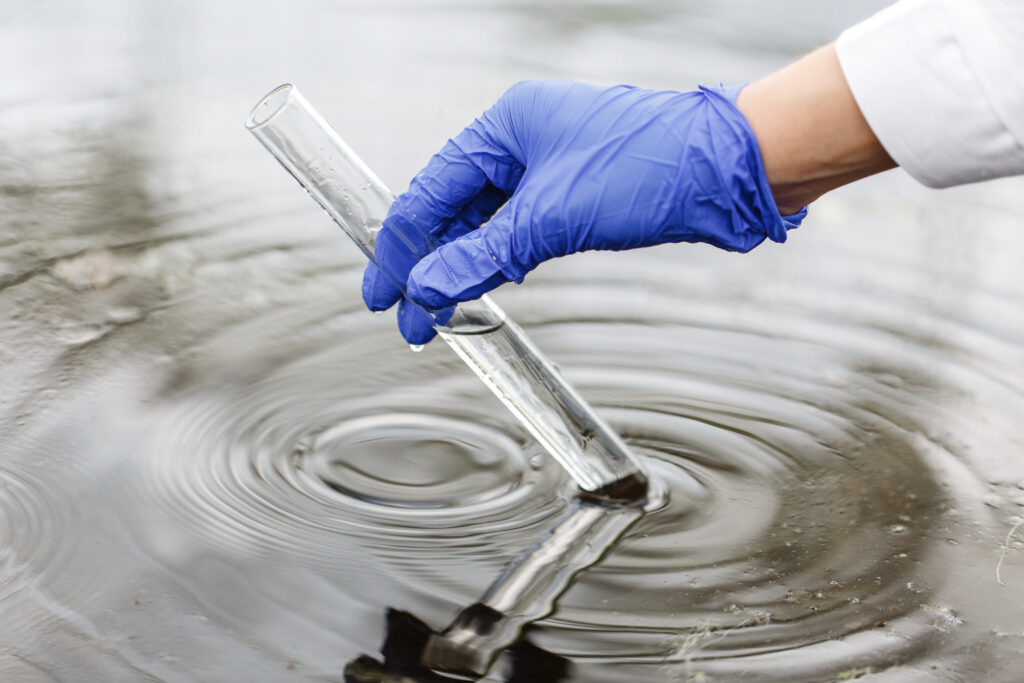
Testing is the first step in identifying radon hazards. Residential Radon testing Colorado options include:
- Home Test Kits – Easy-to-use kits available for private wells.
- Certified Lab Analysis – Ensures accurate results for higher radon levels.
- Professional Testing Services – Companies offering residential radon mitigation and commercial radon mitigation can provide thorough testing and evaluation.
According to the EPA, action is recommended for radon levels above 4,000 picocuries per liter (pCi/L) in water.
Mitigation Options for Waterborne Radon
If testing reveals high radon levels, several treatment solutions are available. Choosing the right system depends on your water usage, radon concentration, and home size.
1. Point-of-Entry Systems
These systems are installed where water enters your home. They treat the water before it reaches faucets, showers, or appliances, effectively reducing the release of radon into indoor air.
2. Water Aeration
Water aeration systems remove radon by spraying, agitating, or circulating water in a tank, releasing radon gas into a vent system that safely expels it outdoors. Aeration is highly effective and suitable for high radon concentrations.
3. Activated Carbon Filtration
Activated carbon filters absorb radon from water, reducing levels before use. While effective for moderate radon levels, filters require regular maintenance, as radioactive buildup can occur over time.
Professional Radon Mitigation Services
Professional intervention ensures safe and effective radon reduction. Services include:
- Residential Radon Mitigation – For private homes.
- Commercial Radon Mitigation – For offices and larger buildings.
- System Installation & Maintenance – Installation and maintenance of point-of-entry systems, aeration units, and activated carbon filters.
- Integrated Mitigation Strategies – Integration of water and air mitigation strategies for comprehensive protection.
Certified providers in Colorado, including radon mitigation Denver CO, guarantee proper installation and compliance with state safety guidelines.
Maintaining Safe Water and Indoor Air
Even after installing mitigation systems, ongoing maintenance is crucial:
- Regular System Checks – Ensure aerators, venting, and filters function properly.
- Follow-Up Testing – Periodically test water and indoor air to verify radon levels remain low.
- Professional Inspections – Certified mitigation experts can inspect systems annually.
- Home Ventilation – Adequate ventilation helps reduce radon accumulation from both water and air.
By combining these practices, homeowners can minimize radon exposure from private well systems.
Regional Considerations for Colorado Homeowners
Certain regions in Colorado have higher natural uranium levels, increasing the likelihood of radon in groundwater. Homes using private wells in these areas should prioritize testing and mitigation. Understanding local risks ensures that mitigation strategies are both effective and timely.
- Waterborne Entry – Radon can enter homes through water, particularly from private well systems.
- Essential Testing – Testing is essential for detecting waterborne radon risks.
- Mitigation Options – Mitigation options include point-of-entry systems, water aeration, and activated carbon filtration.
- Professional Services – Professional services, such as residential radon mitigation, ensure safe installation and long-term effectiveness.
- Ongoing Maintenance – Regular maintenance and follow-up testing are critical for sustained radon reduction.
Addressing radon through water Colorado proactively protects your family, reduces health risks, and ensures safe water use in your home.
FAQs
1. How does radon enter water in Colorado?
Radon forms naturally when uranium in soil and rock decays. Private wells drawing from underground aquifers may contain radon.
2. Can radon in water affect indoor air?
Yes. When radon-contaminated water is used for showers, sinks, and laundry, the gas is released into indoor air.
3. What is the most effective water treatment for radon?
Water aeration systems are highly effective for high radon levels, while point-of-entry systems and activated carbon filters are suitable for varying concentrations.
4. Should I test both my water and indoor air?
Yes. Waterborne radon can release into air, so testing both ensures comprehensive protection.
5. Are professional radon mitigation services necessary?
Professional services ensure safe, long-term solutions and compliance with state guidelines, especially for homes with high radon levels.